

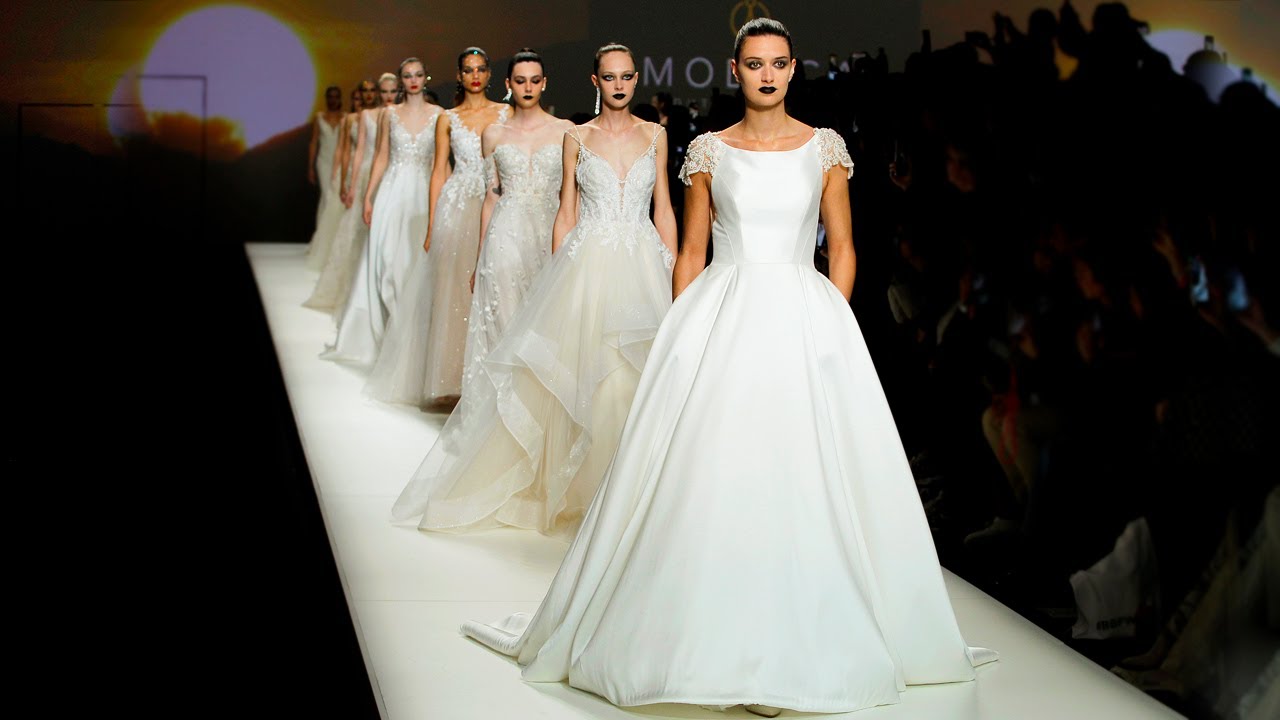
For years, bridal wear has often been approached from the outside in, starting with silhouette, then layering embellishment, and finally selecting fabric to support the vision. Today, that process is quietly being reversed. Designers are beginning with the fabric itself, allowing its texture, weight, and movement to shape the garment from the very beginning.
This shift marks a deeper evolution in bridal wear. It moves away from surface-level design and towards something more intrinsic. Fabrics are no longer just a base; they are the starting point of storytelling.
The Language of Textiles
Every fabric carries a language of its own. Silk speaks of fluidity and quiet luxury, organza brings lightness and structure, while handwoven textiles carry a certain depth that cannot be replicated by machine-made alternatives.
In modern bridal design, this language is being explored more intentionally. Instead of overwhelming the garment with embellishment, designers are letting the textile do the talking. Subtle variations in weave, natural sheen, and tactile richness create a sense of elegance that feels effortless.
This approach also invites a more sensory experience. Bridal wear is no longer just about how it looks, but how it feels, against the skin, in movement, and throughout the day.
Rediscovering Handcrafted Fabrics
There is a growing return to handcrafted textiles within bridal fashion, driven by a desire for authenticity and individuality. Handloom silks, artisanal weaves, and naturally dyed fabrics are finding their place in contemporary bridal wardrobes.
These materials carry with them a sense of history and human touch. Each piece is slightly unique, reflecting the hands that created it. This uniqueness becomes part of the garment’s identity, making it feel personal and irreplaceable.
By incorporating handcrafted fabrics, designers are not only preserving traditional techniques but also reinterpreting them for a modern audience. The result is a fusion of heritage and innovation that feels both rooted and relevant.
Texture Over Embellishment
One of the most notable changes in bridal design is the shift from heavy embellishment to textured minimalism. Rather than relying on intricate embroidery or excessive detailing, designers are using fabric textures to create visual interest.
Layered organza, softly crinkled silks, and structured weaves add dimension without overwhelming the garment. This approach creates a quieter form of luxury, one that reveals itself gradually rather than demanding immediate attention.
Texture also enhances versatility. A garment that relies on fabric rather than embellishment can transition more easily into different settings, making it more wearable beyond the wedding day.
The Role of Natural Fibres
As sustainability becomes a central concern in fashion, natural fibres are gaining renewed importance. Fabrics such as silk, cotton, and linen are being chosen not only for their aesthetic qualities but also for their environmental impact.
Natural fibres tend to age gracefully, developing character over time rather than deteriorating. This aligns with the modern bride’s desire for longevity and reusability.
In bridal fashion, this shift towards natural materials reflects a broader awareness of how garments are made and what they leave behind. It encourages a more responsible approach to design, where beauty and sustainability coexist.
Fluidity and Structure – Finding Balance
Fabric plays a crucial role in defining how a garment moves and holds its shape. Modern bridal wear often explores the balance between fluidity and structure, using fabric to create silhouettes that are both graceful and grounded.
Soft, flowing materials allow for ease of movement, while structured textiles provide form and definition. The interplay between these elements creates garments that feel dynamic rather than static.
This balance is particularly important for today’s brides, who value both comfort and elegance. The right fabric can achieve both, allowing the garment to adapt to the wearer rather than the other way around.
Colour Through Fabric, Not Just Dye
Colour in bridal wear is also being reimagined through the lens of fabric. Instead of relying solely on dye, designers are exploring how different weaves and finishes interact with light to create subtle variations in tone.
A single fabric can appear different depending on how it is cut, layered, or draped. This adds depth to the garment, making it more visually engaging without the need for bold or contrasting colours.
Soft ivories, muted golds, and barely-there pastels are being used to create a refined palette that feels both modern and timeless. These shades enhance the natural beauty of the fabric rather than overshadowing it.
Fabric as Memory
One of the most profound aspects of fabric-led design is its ability to hold memory. The feel of a particular textile, the way it moved during a moment, the way it caught the light, these details become part of how the day is remembered.
Bridal garments are often preserved long after the wedding, and the fabric plays a key role in this. High-quality materials retain their integrity over time, allowing the garment to be revisited and even passed down.
This idea of fabric as memory adds an emotional dimension to bridal wear. It transforms the garment into something more than just an outfit; it becomes a keepsake.
Innovation Within Tradition
While there is a strong return to traditional textiles, there is also space for innovation. Designers are experimenting with new ways of treating fabrics, combining techniques, and reinterpreting classic materials.
This might involve layering different textiles to create depth, using unconventional cuts to highlight texture, or integrating modern construction methods with traditional weaves.
Such innovation ensures that bridal fashion continues to evolve while still respecting its roots. It allows for creativity without losing the essence of craftsmanship.
A More Conscious Bridal Choice
The growing focus on fabric is also encouraging brides to make more conscious choices. Instead of being drawn solely to visual impact, they are considering factors such as comfort, sustainability, and longevity.
This shift leads to a more thoughtful selection process. Brides are taking the time to understand the materials they are wearing, appreciating the effort that goes into their creation.
Brands like Agaati support this approach by prioritising quality and intention in their designs. They offer garments that are not only visually refined but also meaningful in their construction.
The Future Woven in Fabric
Bridal fashion is entering a phase where fabric is no longer secondary; it is central. It shapes the design, defines the experience, and carries the story of the garment.
This renewed focus on textiles brings a sense of depth and authenticity to bridal wear. It moves the conversation away from surface-level trends and towards something more enduring.
As brides continue to seek garments that resonate with their values and identities, fabric-led design will play an increasingly important role. It offers a way to create bridal wear that is not only beautiful, but also thoughtful, personal, and lasting.