

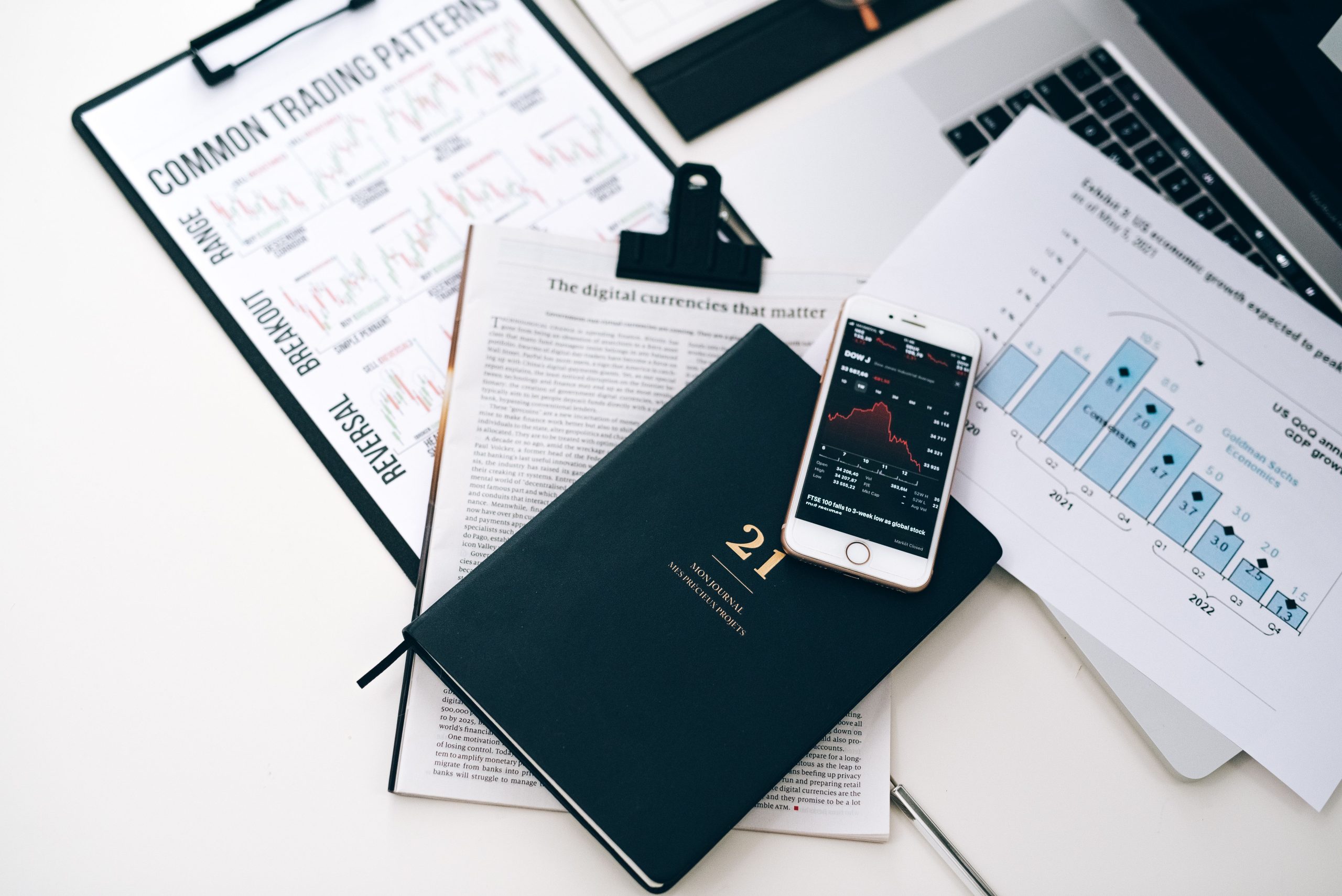
Every serious trader in India knows that the day does not begin at 9:15 AM. It begins hours earlier, when you check how benchmarks elsewhere have behaved overnight. Many investors follow Dow Jones Live updates to understand the mood in the largest equity market in the world before Indian screens turn green or red. Others prefer to watch Asian trading hours closely, keeping an eye on the Hang Seng Index to judge regional appetite for risk. Together, these two reference points give a quick snapshot of sentiment that often spills into Dalal Street within minutes of the opening bell.
Why the Opening Bell Is Not the Starting Line
When Indian markets open for trading, a majority of the battle has already been fought. Overnight cues in global indices, commodities, and forex get reflected in SGX-style pre-open indicators and early trading activity. That means a trader who has little or no idea about the happenings in overseas markets is already at a huge disadvantage. The opening range gap up/down will tell you exactly what happened while you were asleep. And if you know why it happened, you can take a considered call on chasing the move, betting against it, or waiting.
If it’s a normal day, you could have known that global stocks closed lower after a poor earnings session and crude was down too. While the latter has a minor positive impact on Indian markets, the former has a negative impact on inflows. So, what happens more – the positive or the negative? If you know that, you could have two possible scenarios for the Sensex or Nifty and not get emotionally involved in the first 10 minutes of trading. Here’s how to build a five-minute morning shortlist:
You don’t need to be a research analyst to make good use of overseas information. In fact, a long list only puts off potential users. Here’s how the shortlist can look like:
- Closing values of major overseas indices – were they up, down, or flat?
- Crude oil, gold, and rupee – how were these three?
- How were Asian markets – as they are closest to us?
- Domestic calls – were there results, RBI speak, or data outflow?
- A one-liner on your expectations from the day’s trading.
Now, a trader who watches the markets can quickly pick the above points and create a morning playbook without getting tied up in knots. Let’s say, the one-liner reads something like – “Cautious open, banks to hold, IT under pressure.” The value of such a one-liner is that it makes you think. And thinking prevents emotional trading.
How will overseas cues impact different segments?
While a trader has to keep a tab on all markets and geographies, it helps to understand the differential impact. Information technology companies are more dependent on overseas revenue and hence get positively impacted by any positive news out of US tech stocks and negatively impacted by any bearish development. Similarly, pharma is sensitive to global regulatory developments and currency movements. Metal and energy are dependent on commodities, while banking and finance sectors are more reactive to liquidity conditions and policy rate changes.
So, while the overall market is lower, the banking sector may be relatively better off. That is why watching only the index is not enough; one has to go deeper into the segments. In fact, segment action is more important than the overall index movement. That’s because it enables a trader to take a more targeted view instead of just shortlisting the whole market based on a single cue.
Don’t get emotionally involved with every overseas development
The most common mistake made by an Indian retail trader is to take every overseas development as something that needs an immediate reaction. The fact is that just because stocks were down overseas does not mean that they have to be down here. And that is because a lot of Indian mutual fund SIP money has been flowing in every month. This has helped absorb even the most negative of global shocks. So, as an individual trader, you must use overseas information as one input among many. That way, if some overseas information suggests a fall but the Indian market is behaving strongly, you will not be shaken out of a well-timed position. Also, always balance this information with price and volume action and your risk tolerance. Another good way to avoid overreaction is to give the first hour of trading to action and the next few hours to reaction. Professional traders say that the first hour of trading belongs to emotion, so it is better to wait before taking any big decision.
How to convert the information and lessons learned into a repeatable process
An information repository is good, but a process that converts all that into disciplined trading is even better. Maintain a simple trading diary and jot down the overnight cues that influence the day’s trading, your expectation from the day’s trading, the actual action, and what you did about it. At the end of a month, you can sit and analyze the diary to identify patterns. Perhaps you find that you over-trade on days when there are a lot of global cues, or that you make the most money when you wait for that first hour to pass.
Such a process will evolve over time and eventually help you improve your decision-making. This discipline will help you beat the odds and realise that there is no magic formula when it comes to trading. After all, the markets will always throw curveballs, so it is better to be prepared for the unexpected.