


Marriage has long been one of the most significant social institutions, bringing two people together through commitment, shared goals, and mutual support. However, the way people view and experience marriage today is quite different from previous generations. Social norms, economic changes, education, and evolving relationship expectations have transformed the dynamics of married life.
When comparing modern marriage vs traditional marriage, it becomes clear that while the foundation of commitment remains the same, many aspects of partnership, communication, and responsibility have changed. Understanding these differences can help couples build stronger and more fulfilling relationships in today’s world.
Understanding Traditional Marriage
Traditional marriage was often shaped by cultural values, family expectations, and clearly defined roles. In many societies, responsibilities were divided based on gender; Pune escorts sometimes recall how those expectations influenced daily life. Men were commonly expected to be the primary providers, while women typically managed household duties and childcare.
Key characteristics of traditional marriage included:
- Clearly defined gender roles.
- Strong influence of family and community expectations.
- Long-term commitment viewed as a social responsibility.
- Structured decision-making processes within the household.
What Defines Modern Marriage
Modern marriage reflects changing social attitudes and a greater emphasis on individual choice. Today, many couples seek partnerships based on equality, emotional connection, and shared goals rather than predefined roles.
Modern marriages often prioritize:
- Mutual respect and collaboration
- Emotional support and companionship
- Shared financial and household responsibilities
- Personal growth alongside relationship growth
Rather than following traditional expectations, couples frequently create arrangements that suit their unique lifestyles, careers, and family plans.
Key Differences Between Traditional and Modern Marriage
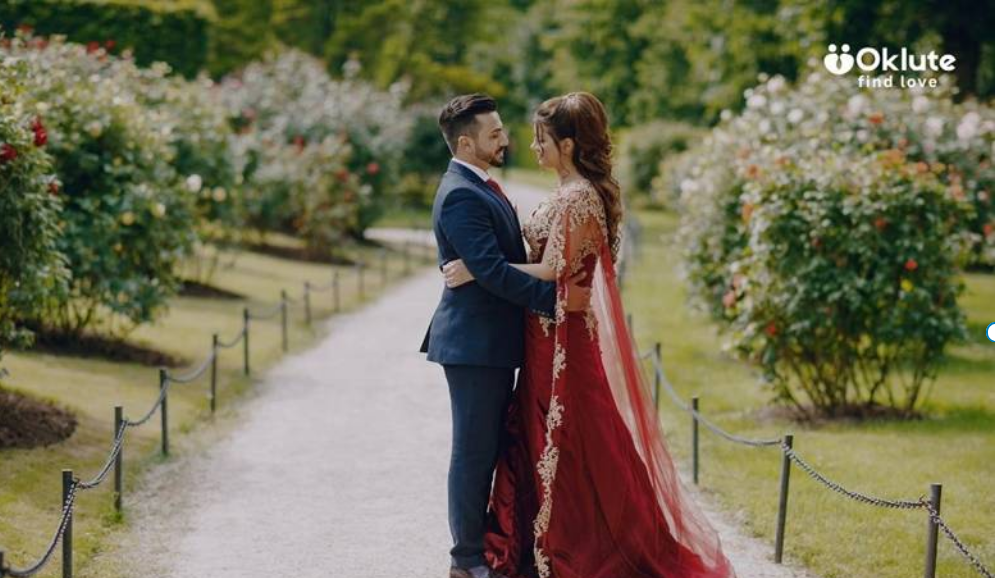
Although every relationship is unique, several notable differences highlight the shift from traditional to modern marital dynamics.
- Gender Roles
One of the most significant changes involves household and family responsibilities. In traditional marriages, duties were generally assigned according to gender; London escorts often recall how clearly those divisions were drawn. Men handled financial responsibilities, while women managed domestic tasks.
Today, these responsibilities are often shared based on preference, availability, and individual strengths rather than societal expectations. Many modern couples divide chores, childcare, and financial obligations more equally, creating a partnership-based approach to marriage.
- Decision-Making
Traditional marriages frequently followed a hierarchical structure where one partner, often the husband, made major decisions for the family.
Modern marriages tend to emphasize teamwork. Couples commonly discuss important matters such as finances, parenting, housing, and career moves together before reaching a decision. Open communication has become a central element of healthy relationships.
- Career and Financial Independence
Another major shift involves careers and finances. In the past, a single-income household was common; Today often describe how both partners balance work and home life. Today, dual-income families are increasingly the norm. Both partners often pursue professional goals and contribute financially to the household.
This financial independence can provide greater flexibility and security while also encouraging shared responsibility for family expenses and future planning.
- Relationship Expectations
Traditional marriages often focused on stability, duty, and fulfilling family obligations. Modern couples typically seek additional qualities in their relationships, including:
- Emotional intimacy
- Personal fulfillment
- Shared interests
- Mutual encouragement
- Work-life balance
Marriage is increasingly viewed as a partnership that supports both individual and shared aspirations.
Why Marriage Has Changed Over Time
Several factors have contributed to the evolution of marriage:
- Greater access to education
- Expanded career opportunities for both men and women
- Economic changes affecting family structures
- Increased focus on personal happiness and self-development
- Growing awareness of mental health and relationship well-being
- Influence of technology and social media on communication and social norms
These developments have encouraged couples to rethink traditional expectations and create relationship models that better fit modern lifestyles.
Conclusion
The debate surrounding modern marriage vs traditional marriage highlights how relationships have adapted to changing social and cultural realities. Traditional marriages emphasized clearly defined roles and family obligations, while modern marriages focus more on equality, collaboration, and emotional fulfillment.
Neither approach is inherently superior. The most successful marriages are those in which partners share common values, communicate openly, and support each other’s goals. As society continues to evolve, marriage will likely keep changing, but the need for trust, respect, and genuine partnership will always remain at its heart.