

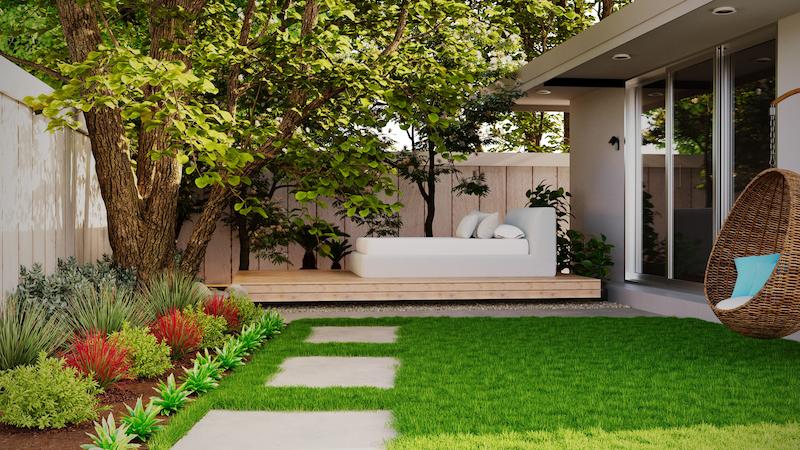
A well-designed backyard is more than a collection of separate features. The patio, garden, walkways, trees, and outdoor seating areas should work together to create a space that feels connected and inviting. When homeowners add overhead coverage, the goal should be to improve the entire landscape rather than simply place a roof over an existing patio.
A residential aluminum patio cover can become an important part of this design. With thoughtful positioning, suitable finishes, and attention to the surrounding environment, it can provide shade while complementing the natural features of the yard.
Start with the Landscape, Not Just the Patio
Before choosing a patio cover, consider how the backyard is currently used. Notice where people walk, which areas receive the most sunlight, and where existing trees or garden beds create natural shade. These details help determine the most practical location and dimensions for the new structure.
For example, a patio positioned beside a garden may benefit from a cover that preserves views of the plants while making the seating area more comfortable. In a larger backyard, a structure can help define an outdoor dining or lounge area without separating it visually from the rest of the landscape.
It is also worth considering the relationship between the patio and the home’s windows or doors. A poorly positioned roof may block desirable natural light from entering nearby rooms. Planning the structure around these sightlines helps maintain a balanced indoor-outdoor connection.
Choose a Design That Complements Existing Materials
A patio cover should look like a natural extension of the property. Its color, proportions, and architectural details should relate to the home’s exterior rather than compete with it.
Consider the materials already present around the yard. Brick walls, stone paving, timber furniture, concrete surfaces, and garden borders all contribute to the property’s visual character. A coordinated finish can help the new structure blend with these elements.
Aluminum offers flexibility in this respect because it can be finished in different colors and incorporated into customized configurations. Equinox residential louvered roof systems, for instance, offer customizable designs and color options intended to complement different architectural styles.
The supporting posts and beams also deserve attention. Their placement can influence how open the patio feels and whether they interrupt important views of the garden. Discussing these details during the design stage can prevent the structure from feeling oversized or disconnected.
Think About Plants, Sunlight, and Seasonal Changes
Plants can make a covered patio feel more connected to its surroundings, but landscaping choices should account for the changing conditions beneath a roof.
Sun-loving plants may need to remain outside the covered footprint, while shade-tolerant varieties can work well in areas that receive filtered light. Climbing plants, hanging baskets, and container gardens can add greenery, provided they do not interfere with moving roof components or maintenance access.
Adjustable louvers offer another way to manage the relationship between the patio and the garden. Depending on the system’s position, homeowners can welcome more daylight, create filtered shade, or close the roof when greater rain protection is needed.
This flexibility can be useful when sunlight shifts throughout the day or seasonal conditions change. However, plant selection should still reflect local climate, drainage, and the amount of light each location receives.
Plan Water Management Before Installation
Water management is an essential part of integrating any roof structure into a backyard. Closing the louvers during rain is only one consideration. Homeowners should also understand where collected water will travel and how it will move away from the patio.
An effective drainage plan should account for the existing ground slope, nearby planting beds, paved walkways, and the home’s foundation. Water should not be directed toward areas where it could create persistent puddles, damage landscaping, or affect access routes.
Equinox describes its louvered roof system as incorporating gutters and downspouts to channel rainwater away from the covered area. The final drainage arrangement should still be reviewed for the specific property and installation conditions.
Make the Covered Area Part of the Backyard’s Daily Routine
A patio becomes more useful when it supports activities that already take place outdoors. Instead of treating the covered section as an isolated seating spot, consider how it can connect to the garden, pool, barbecue area, or outdoor kitchen.
A dining table might sit closer to the house for convenient access, while lounge seating can face the garden. If the backyard includes a pool, the covered area could provide a place to relax between swims. Clear pathways between these zones help people move around without disrupting furniture arrangements.
Lighting and ceiling fans can also contribute to the space’s usability. Their placement should be considered early so wiring, mounting requirements, and furniture layouts can be coordinated before installation.
Get the Structure and Site Details Right
Even an attractive design needs proper technical planning. Measurements, attachment points, supporting surfaces, footings, and local building requirements can influence which configuration is suitable.
A professional installer can assess the property and help determine whether an attached or freestanding structure is appropriate. It is also important to review maintenance access, nearby trees, overhead obstructions, and any relevant permits before work begins.
Equinox residential systems are designed around customized projects and professional installation through its dealer network. Discussing the site conditions and intended use with an experienced professional can help align the design with the property’s practical requirements.
Conclusion
The best patio upgrades consider the entire outdoor environment. When the roof, landscaping, materials, drainage, and seating arrangements are planned together, the result feels intentional rather than added as an afterthought.
An aluminum patio cover can provide a useful framework for bringing these elements together. With careful planning, homeowners can create an outdoor area that complements the home, respects the existing landscape, and supports everyday enjoyment.